
About Dystonia
Welcome to Defying Dystonia, a non-profit dedicated to raising awareness and supporting individuals affected by Dystonia. Dystonia is a complex and often misunderstood neurological condition that can have a profound impact on the lives of those it touches.

What is Dystonia?
Dystonia is a neurological disorder characterized by sustained muscle contractions, abnormal postures, and repetitive, involuntary movements. It can affect people of all ages and backgrounds, and its symptoms can vary widely from person to person. These symptoms can include:
Muscle Spasms: Sustained and often painful muscle contractions that lead to abnormal movements or postures.
Tremors: Rhythmic shaking of affected body parts, such as hands or neck.
Twisting or Turning: Involuntary twisting or turning of body parts, which can lead to unusual and sometimes painful positions.
Voice and Speech Problems: Dystonia can also affect the muscles used in speech, leading to difficulties in communication.
Types of Dystonia:
There are numerous forms of dystonia, affecting different parts of the body. Some common types include:
Cervical Dystonia: Involves involuntary contractions of neck muscles, causing head tilting or twisting.
Blepharospasm: Characterized by excessive blinking and involuntary closure of the eyelids.
Writer’s Cramp: Affecting hand and forearm muscles, making tasks like writing difficult.
Generalized Dystonia: Involves multiple body parts and can severely impact mobility and daily activities.
Causes and Diagnosis
The exact causes of dystonia can vary, but it is often linked to a combination of genetic and environmental factors. Early diagnosis is essential for managing the condition effectively. A neurologist or movement disorder specialist will typically conduct a thorough evaluation, which may include physical examinations, medical history, and in some cases, genetic testing.
Living with Dystonia
Living with dystonia can be challenging, but it is possible to manage the condition and improve the quality of life. Treatment options often include:
Medications: To manage symptoms and muscle contractions.
Physical Therapy: To improve mobility and reduce pain.
Botulinum Toxin Injections: Used to target specific muscle groups and reduce spasms.
Surgery: In severe cases, surgery may be considered to alleviate symptoms.
Deep Brain Stimulation (DBS): This surgical procedure involves the implantation of electrodes in specific areas of the brain that are responsible for controlling movement. These electrodes are connected to a pacemaker-like device that sends electrical impulses to the brain, helping to regulate abnormal muscle contractions and improve motor control. DBS is often considered for individuals with severe or medication-resistant dystonia.
DBS has shown promising results in alleviating the symptoms of dystonia and improving the quality of life for many individuals.
Our Mission
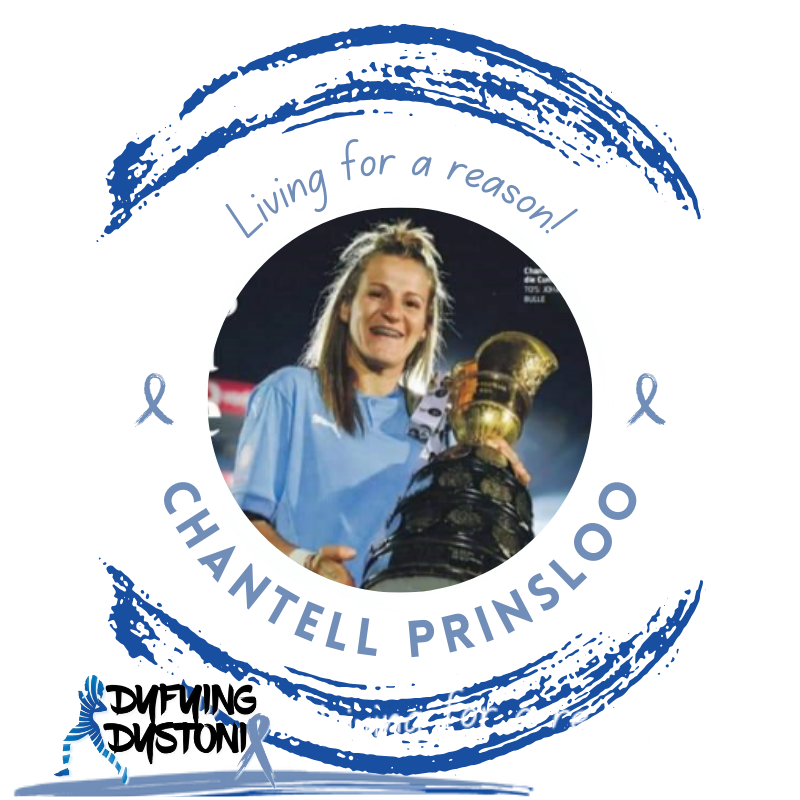
Our mission is twofold: to raise awareness about Dystonia and to provide financial assistance to patients who cannot afford the necessary treatments. As someone who has personally experienced the challenges of living with Dystonia, I am acutely aware of the limitations and hurdles that come with this condition. That’s why I have dedicated my efforts to Defying Dystonia, to ensure that no one has to face this battle alone.
Our Vision
In the face of Dystonia’s challenges, we envision a world where hope shines brightly, where lives are transformed, and where the heavy burden of Dystonia is lifted from those who bear it.
Join Us
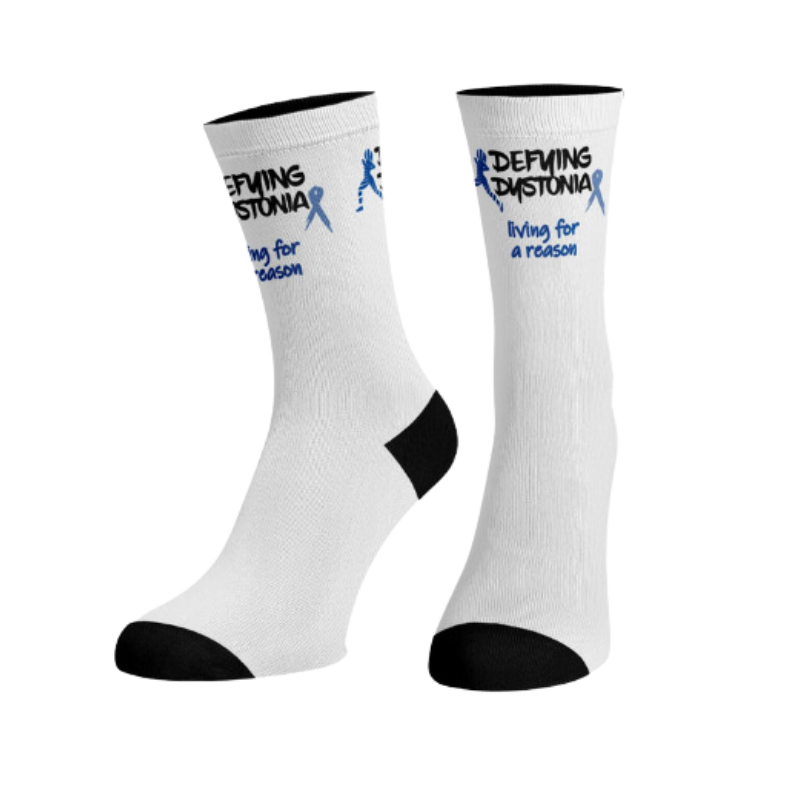

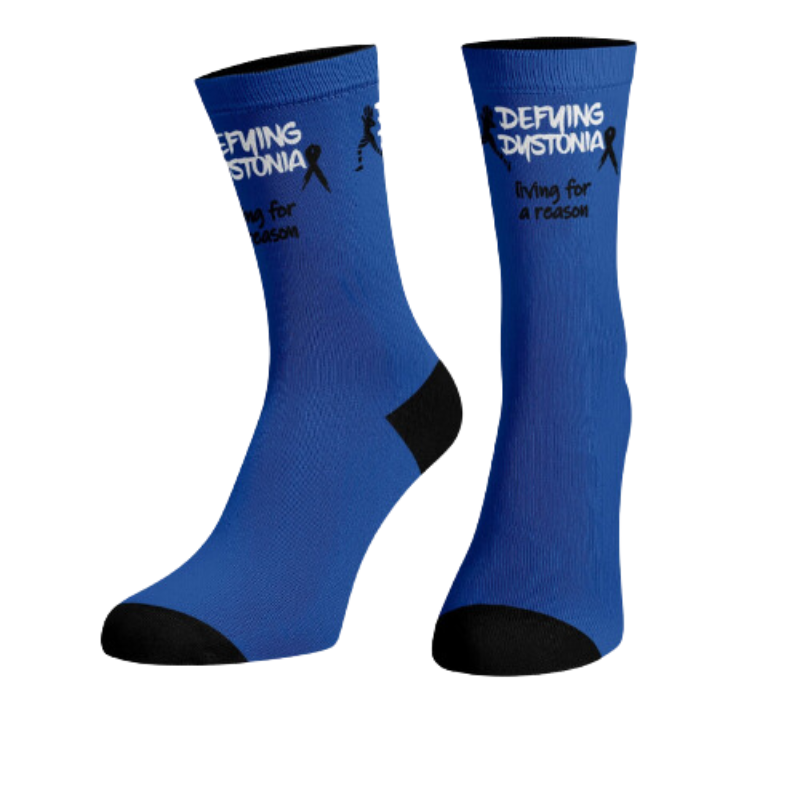
All profits generated from sox sales and donations will be utilized to assist Dystonia patients in need. We have established a partnership with Dr. van Coller, a prominent Neurologist, and Dr. Slabbert, a renowned Neurosurgeon, both of whom specialize in treating Dystonia. They offer a range of treatments, from medication to Botox injections. Our ultimate dream, however, is to provide funding for patients to receive the life-changing Deep Brain Stimulator, which can be a lifeline for those who have exhausted all other options.